The End of the Job Era
What I Heard at Tech Walk
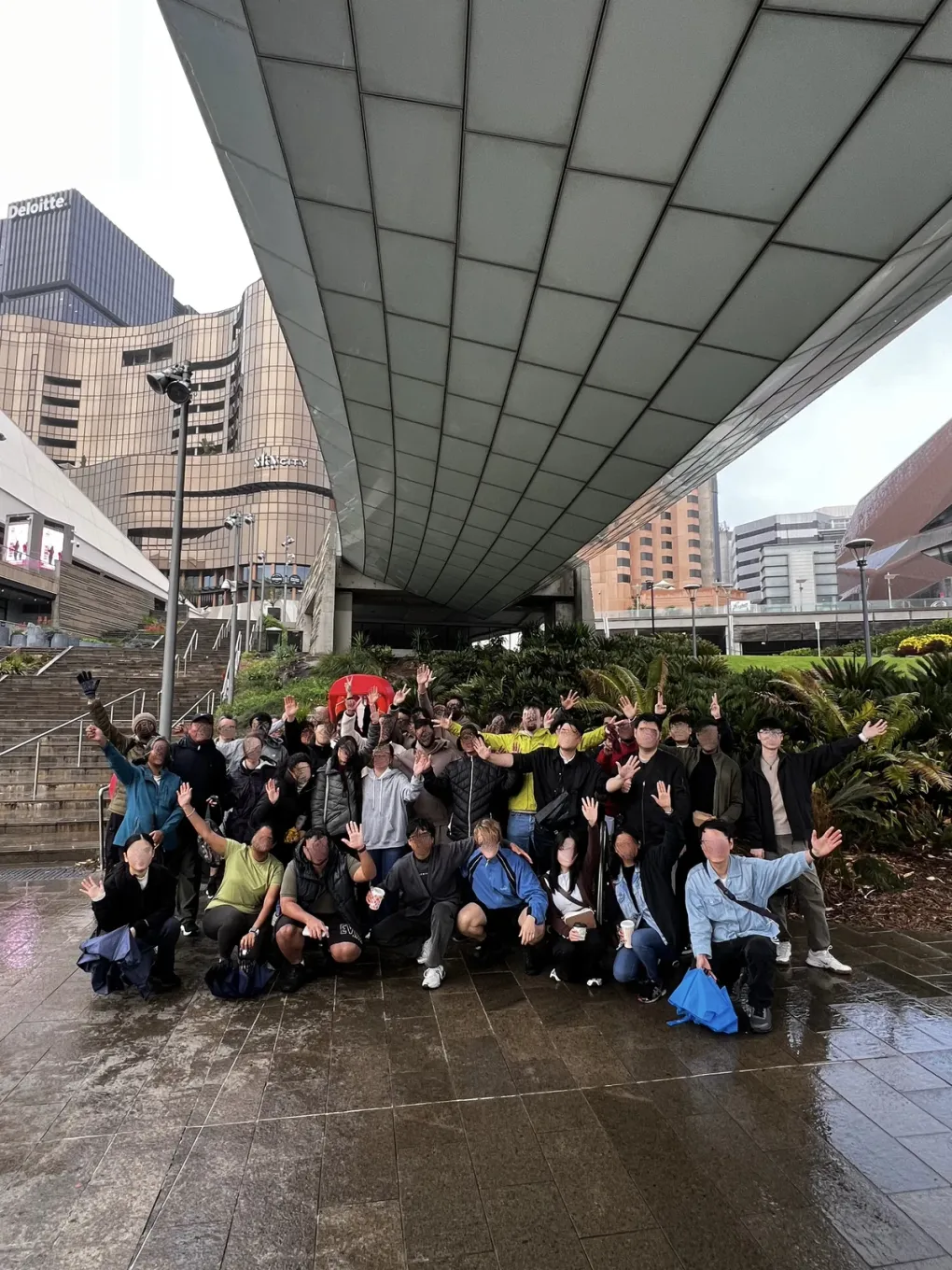
Yesterday I went to the Tech Walk meetup at Bonython Park in Adelaide for the first time in a while. It’s an event where you walk and chat with people in IT, very friendly to juniors and students (you can even bring your pet, lol). It poured rain like crazy midway through, and we nearly disbanded three times before finally completing the course.
Naturally, a lot of conversation went around about the IT job market, and the general psychological attitude most developers have toward AI these days tends to look like this:
- It’s really hard to find work lately because of AI.
- And yet they’ve been experimenting with all kinds of cool AI implementations, trying out this language and that framework.
- The joy of development is gone. They miss the feeling of directly implementing algorithms and typing out code with their own hands.
I understand their pain. Especially when I meet friends in a similar situation to mine and hear their stories. Because I’m just a lucky junior engineer who happens to hold the title of developer, at a company that was gracious enough to take me in without prejudice, a student with no real experience.
But every time I hear these stories, I’m reminded of director Bak Chan-wook’s film No Other Choice and the character Koo Beom-mo (played by actor Lee Sung-min).
“I’ve lived off ink and paper for 25 years. I am an engineer!!”
— No Other Choice, Koo Beom-mo (actor Lee Sung-min)
The Age of Work, Not Job
The times have changed. We are now truly in an era where we must employ ourselves. Since the popularisation of Personal Computers in the 2000s, the wind was already blowing. The concept of a job for life or a career for life was fading, and everyone was said to need the mindset of a freelancer. But the flood that is AI swept over developers. Quite literally, it carried us all away.
So every time I hear the same stories repeated, I can’t help but feel: the age of looking for a Job is over, and the age of looking for Work has arrived.
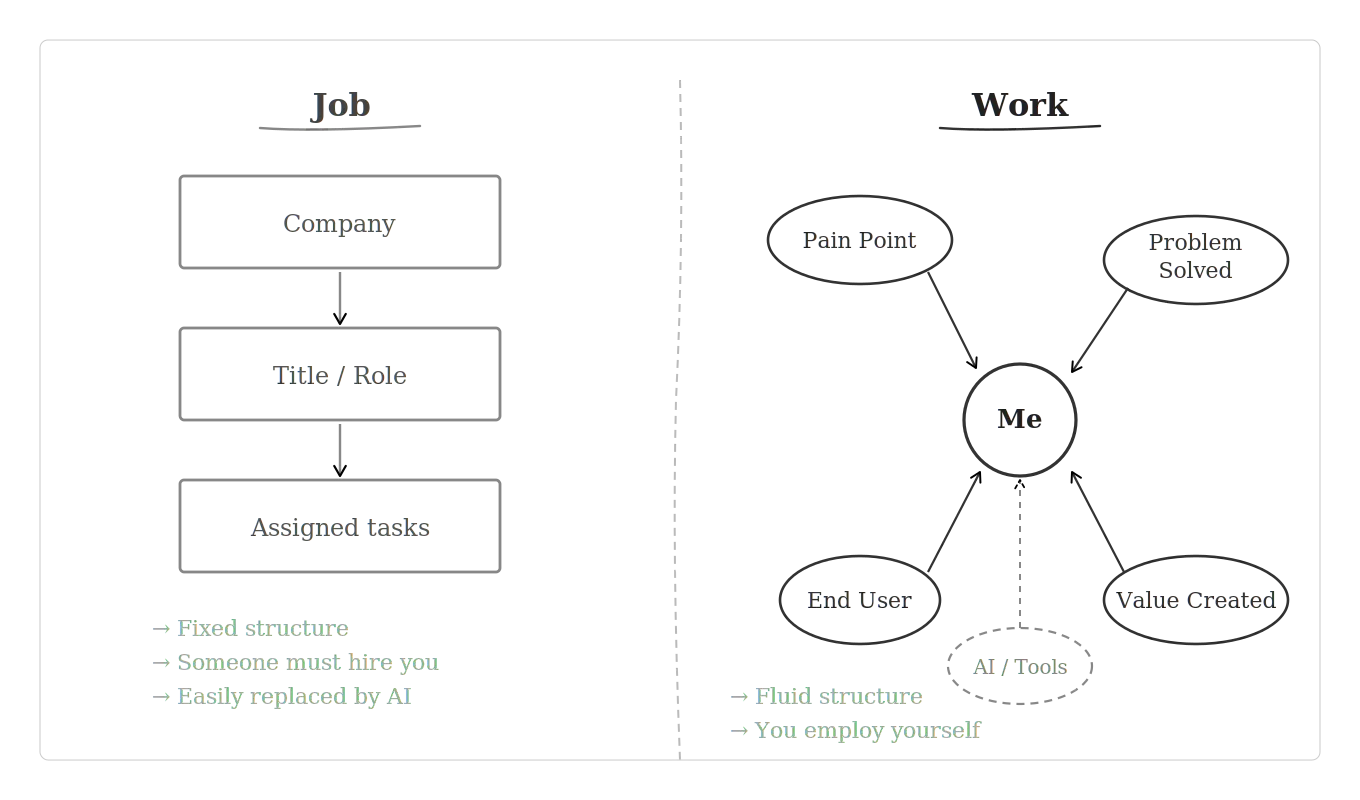 (This applies equally in the workplace, regardless of employment status)
As engineers, our pride in our craft, our fear of AI, and our admiration for it all matter. But ultimately, what matters more is what pain points we’ve found in the world and what we’ve done to solve them.
To those who are all about showing off their tech stacks, I’d like to pose some questions:
- So what problem did you actually solve?
- You say you integrated LLM + RAG into a web application and achieved automation. Did that actually translate to a level of end-user satisfaction you yourself would find convincing?
- They say AI helps with support chatbots. But have you ever been genuinely satisfied using one in a real service you actually use?
- You built an application. But what pushed you to build it, and what was the problem in the first place?
- Most importantly: in the process of solving it, what surprised you, and did you find it interesting? And if you did, what specifically sparked that curiosity?
When I hear conversations skipping all of that and jumping straight into what AIs they used and how this or that framework works, I find myself wondering: what is actually driving this person?
Things have really changed. The age of the developer is gone, and the age of the product designer has arrived.
The Lesson the First-Generation iPad Teaches Us
If what I’m saying doesn’t resonate, let me give one more simple example.
Steve Jobs unveiled the first-generation iPad in 2010.
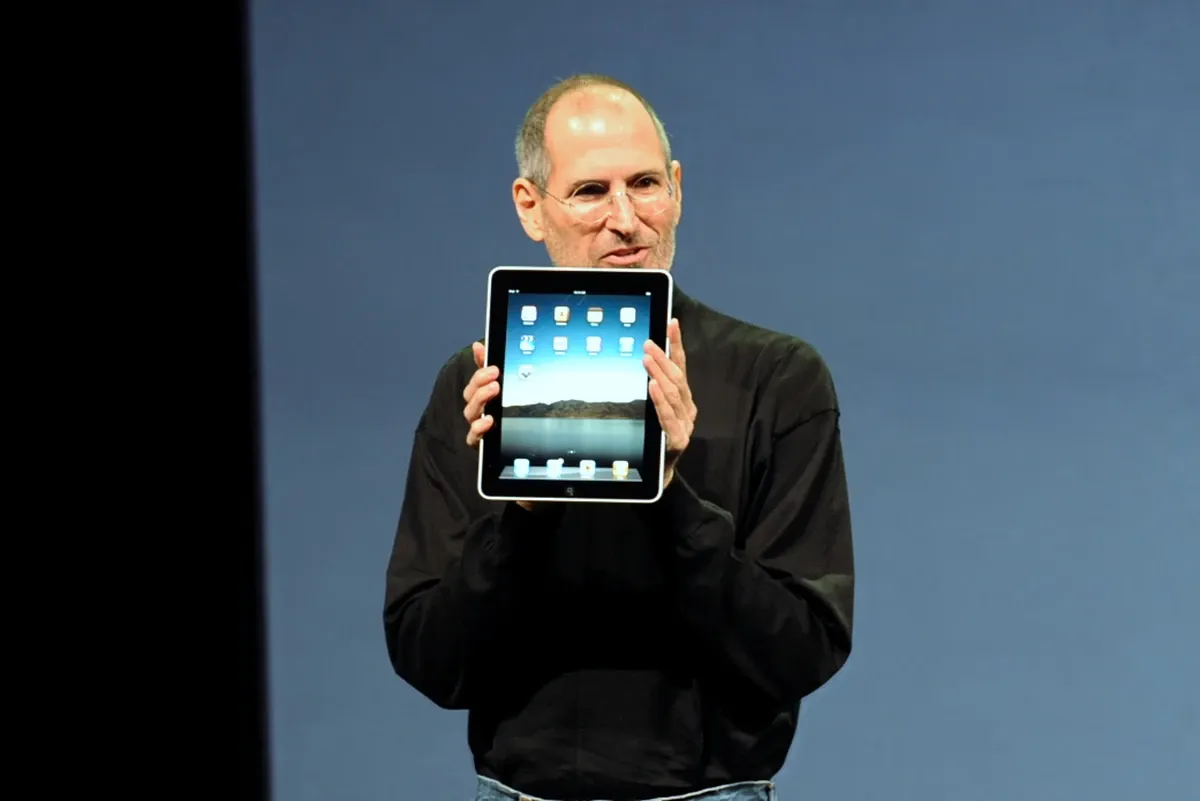
Photo: matt buchanan, CC BY 2.0, via Wikimedia Commons
Compared to the second generation, the first-generation iPad was a pretty rough piece of hardware. If you were a proud, seasoned engineer inside Apple, you’d have gone furious.
| iPad 1st Gen | iPad 2nd Gen | |
|---|---|---|
| Camera | None | Front and rear |
| Memory | 256MB | 512MB |
| Thickness | 1.3cm | 0.88cm |
| Weight | 680g | 601g |
| Processor | Apple A4 | Apple A5 (up to 2x CPU, 9x GPU performance) |
| Final iOS support | iOS 5 | iOS 9 |
Had they pushed the launch back by a year or charged a few hundred dollars more, so they could increase the memory, put slimmer battery, and adding cameras, it could have been a far more complete device, something you’d comfortably use for solid 5 years. In reality, this device only received about a year’s worth of additional iOS updates due to memory constraints, capped at iOS 5.
Instead, Steve Jobs cut the market’s expected price of $999 in half and launched it at just $499.
Apple was able to quickly shape the tablet PC market, and just one year later released a masterpiece: the iPad 2, which was thinner, lighter, faster, and finally had a front and rear camera. That device had great usability, solid performance, and received iOS updates all the way through iOS 9. It’s a legendary device.
Steve Jobs had already experienced failure with a device that was engineeringly beautiful but too expensive, and missed its launch window. If you can’t quickly capture the consumer market at an accessible price point, there simply is no next time.
And most successful Silicon Valley companies follow this formula. Today’s Silicon Valley companies are unquestioned leaders in software development, but their DNA traces back to Richard Gabriel’s (an MIT-trained software philosopher) Worse is Better philosophy.
The reason Silicon Valley companies are recently taking what seems like a reckless approach, pouring massive amounts of AI tokens into something close to a black box, is ultimately because this is in their DNA. There’s no time for worrying about the beauty of the technology or scalability years down the line. Just solve the problems that exist right now, through the eyes of the consumer. Because if you do that, you earn the chance to build a better, more elegant product step by step.
Don’t build a perfect product. Build one that breaks. Keep questioning it, think hard about where it could fail, and build something you can truly stand behind